Should more women taking the wedding speech spotlight
More women should be taking the spotlight at big events, according to new research from learning and development company Good Shout.
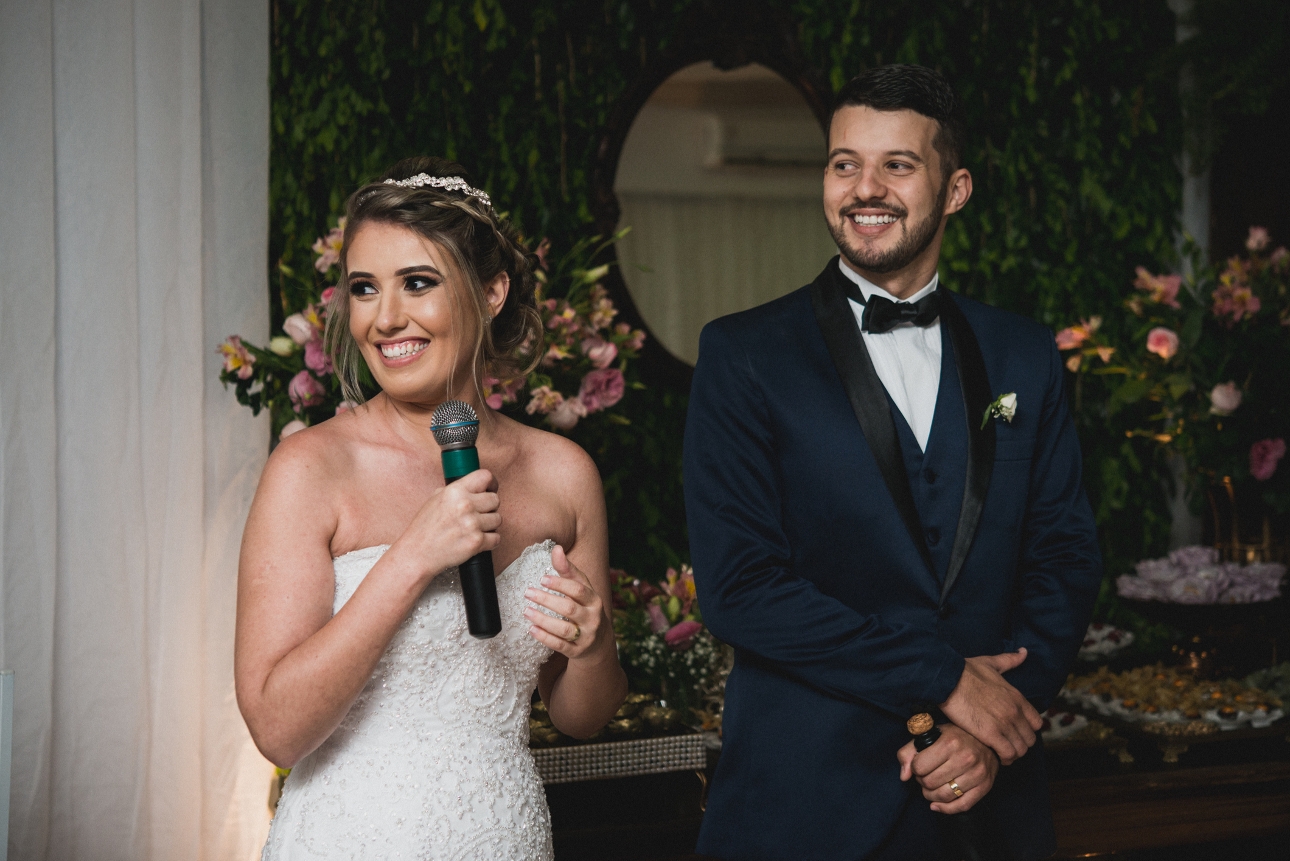
However, according to a new poll, conducted in partnership with YouGov, the very prospect fills two thirds of women (67%) with dread. Of those women in the UK who would refuse to give speeches at a wedding, 50% said that it was the "cringe factor" that held them back, i.e. being too self-conscious or feeling too awkward or uncomfortable in the situation. The research, conducted amongst just over 2,000 adults in the UK, aimed to find out if women were shunning tradition when it came to speaking at momentous events like weddings, and taking the mic for themselves.
However, it seems that there's still a way to go, with 87% of wedding attendees in the UK having seen a man give a speech in the last 5 years, but only 48% of people having seen a woman doing the same. The main drivers of the "dread" that women feel were: The cringe factor, i.e. feeling self-conscious or uncomfortable (50%) Lacking the confidence (48%) Nerves or stage fright (43%) Worries about saying the wrong thing (25%) Too emotional to get the words out (20%) Of those women who didn't want to give a speech at their own wedding, or the wedding of a loved one, key reasons cited were 'wanting to stick with tradition' or simply to 'enjoy the day' without the stress of talking in front of people.
Francesca O'Connor, director at Good Shout says, "Everyday in our job, we encounter brilliant women from all walks of life and levels of seniority dogged with fear when it comes to public speaking, despite the fact there's so many powerful female role models in the public eye. The appetite is clearly there to see more women giving speeches, in all settings, so it's time to lean into the cringe. With the right prep and practise, your speech could be a beautiful moment that an audience never forgets."
Whilst recent research from Speechly found that speeches given by women at weddings has increased by 420% in the last few years, new research shows that it's still almost half of those given by men. As such, Good Shout has created a one-day speechwriting and delivery course called 'Unforgettable' designed to help women write and perform the perfect speech, and yes, make sure it is unforgettable.
About Good Shout... Good Shout was established to help people find and experiment with their voice, so they can communicate with more clarity and confidence. Every voice deserves to be heard. So our training products are designed to make you want to shout louder and communicate better, in a way that adds value to the world. We have social learning products that turn you into an effective and unique spokesperson for your company; or improve your presentation, speechwriting and panel skills; or pull out your creativity; or make you more effective at writing; or improve your relationships at work or (our favourite) find and celebrate your own personal style.
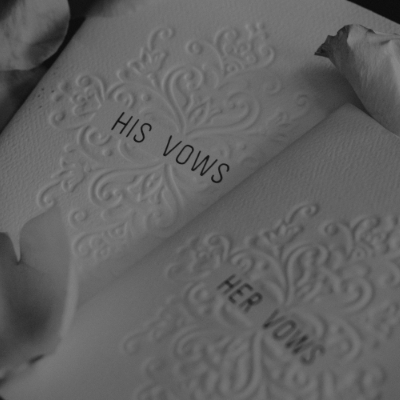
With peak wedding season approaching, experts are warning couples not to rely on AI to write one of the most personal parts of their big day – their vows. A survey by jewellers Queensmith has revealed that more than half (55%) of UK brides and grooms are now using AI tools to help write their wedding vows and speeches, raising questions about authenticity, originality and even potential legal grey areas. The findings come amid a growing debate around AI-written vows after a registrar in the eastern Netherlands saw a marriage called into question when AI was used to help write the ceremony script. In the case, the District Court of Overijssel ruled that "no marriage has been established" after it emerged the registrar had relied on ChatGPT to draft parts of the ceremony. The case has sparked wider concerns that AI-generated wording could unintentionally mirror existing vows or scripts found online, raising questions about originality and authenticity.
READ ARTICLE
Marriage, Money, and Modern Love: Gen Z and Millennials
"As a family barrister, I spend much of my professional life dealing with what happens when relationships break down," says Rosanne Godfrey-Lockwood, Family Barrister at 4PB. "That vantage point inevitably shapes how I think about marriage — not cynically, but realistically. It is perhaps unsurprising, then, that one of the most notable trends I have observed in recent years is the growing interest in prenuptial agreements among Gen Z and younger Millennial couples.
READ ARTICLE
Win an Engaged Couple a Dublin Minimoon with GoHen & StagWeb
Leading UK stag and hen party providers, StagWeb and GoHen, have launched a brand-new competition offering one lucky engaged couple the chance to win a Dublin minimoon - completely free. Whether it's a little pre-wedding trip to escape the planning stress or a post-wedding adventure before the honeymoon, it could be the perfect little wedding gift for the happy couple - read here now!
READ ARTICLE
Expert says prenups aren't just for the rich and famous
Legal experts at Richard Nelson LLP are urging Brits to rethink who prenups are really for. While often seen as something reserved for high-profile couples, data suggests they remain largely overlooked in everyday relationships. Just 7 percent of divorced Brits had a prenuptial agreement in place before separating, highlighting a significant gap between perception and reality. Regionally, attitudes vary. Manchester has emerged as the UK's 'prenup capital', with 13 percent of divorced couples having one in place, compared to 8 percent in London and 11 percent in Birmingham. Meanwhile, cities including Liverpool and Southampton reported no uptake among those surveyed.